How to Find Free Beats in 2026 (and Why Recording a Demo First Will Make You a Better Artist)
Every aspiring rapper, singer, and reggaetonero starts the same way: hunting for free beats. In 2026 there are more free beats online than ever — and more scams, dead links, and DMCA traps than ever. This guide is the shortcut: where active producers actually drop free beats this year, how to tell a real free beat from a stolen one, and the unglamorous habit that separates artists who blow up from artists who stay stuck — recording a demo before you ever spend a dollar.
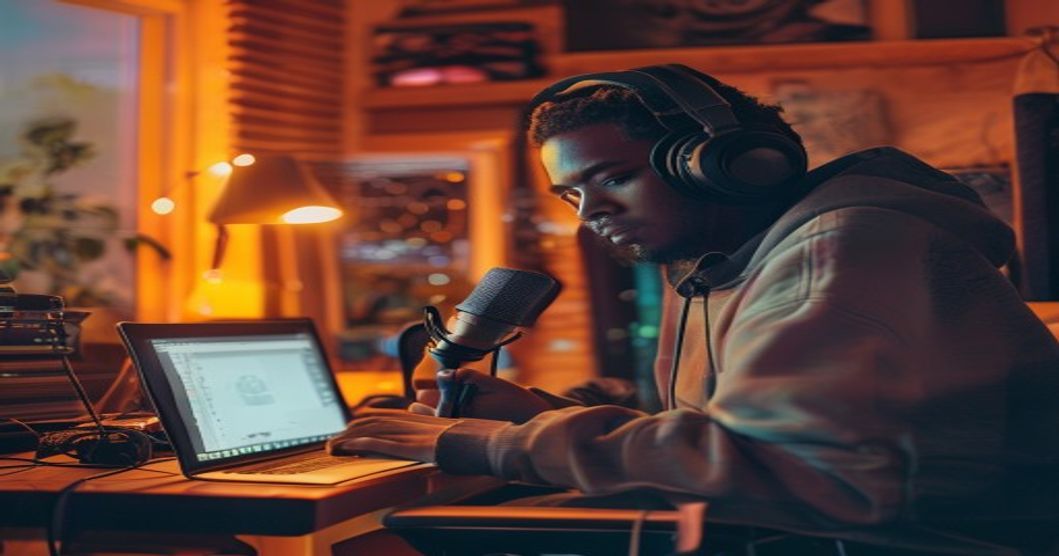
Where to find legit free beats in 2026
"Free beats" is one of the highest-volume music queries on Google and YouTube — which means the SERP is also the most flooded with garbage. Here are the sources that are still real in 2026, ranked by signal-to-noise:
- Producer stores with a "free" tab. The cleanest source. An active producer site like oneilbeats.store will have a free section where the producer themselves uploads tagged MP3s every week. The beats are current, the tag is honest, and there's a clear path to license if you want to release. Look for the words "tagged MP3" and a file size around 4–8 MB.
- YouTube — but only producer channels you can verify. Search "[artist] type beat free" and filter to last week. Skip channels that look like beat aggregators (10,000+ uploads, no face, no socials). Stick to producers who post their own face, comment back, and link to a real store. Download via the producer's link in the description, not from sketchy MP3 rippers — those strip the tag and create a legal landmine you'll inherit.
- Free Beat Friday email lists. Most serious producers run a weekly drop to email subscribers. We do this — sign up at the bottom of oneilbeats.store and you get a fresh tagged beat every Friday. It's the highest-quality free source on the internet because the producer is using it as marketing for their paid catalog, so the bar is high.
- BeatStars / Airbit free filters. Both marketplaces let you filter to "free download." Quality is mixed — you'll find gold and you'll find loop-pack soup. Use the BPM, key, and genre filters aggressively or you'll waste an hour scrolling.
- SoundCloud "free dl" links. Still alive in 2026, mostly for boom bap, lo-fi, drill, and underground genres. Search "[genre] free dl" and sort by recent. The link in the description is the real download.
- Reddit r/makinghiphop weekly free-beat threads. Producers drop links every week looking for feedback and exposure. Quality is unfiltered but the freshest stuff lives here.
What to avoid — the 2026 scam list
The free-beat space has a permanent infestation of scrapers and AI slop. If you see any of these, close the tab:
- "Free download" sites that ask for your email twice or want a card to "verify." Nobody charges you to verify a free MP3.
- YouTube channels with thousands of uploads and no human in any video. They're scraping other producers' beats, stripping tags, and reuploading. Using one of those gets your song claimed by the original producer's distributor the day you release it.
- Stems.zip / multitrack downloads on file-share sites. Real producers do not give away stems for free, ever. If it says "free stems," it's stolen.
- AI-generated beats marketed as "free producer beats." They're free because they cost the uploader nothing. The structure is usually flat, the mix is brittle, and there's no human to license from when you want to actually release. You can hear it within 30 seconds — the drops don't breathe.
- Type-beat channels with no link to a store. No store = no license path. Even if you write your best song over that beat, you'll never be able to release it legally.
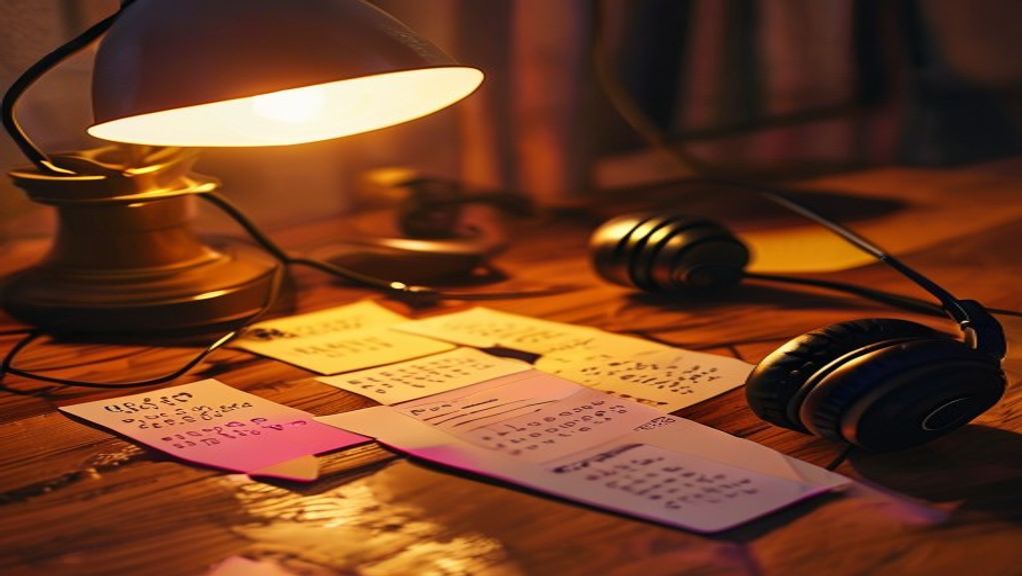
Why recording a demo first is the move
This is the part most artists skip, and it's the part that actually matters. Before you buy a license — before you book a studio, before you book a mix engineer, before you even commit to a release date — record a demo over the free tagged version. Not a polished take. A rough one. Phone mic is fine. Laptop mic is fine. The demo isn't for the world; it's for you.
Here's what a demo does that nothing else can:
1. The beat tells you if the song exists
Beats lie in the headphones. A beat can sound like the hardest thing you've ever heard while you're scrolling YouTube, then collapse the moment you try to put a vocal on it. The pocket isn't where you thought. The hook section is too short for the melody you're hearing. The energy peaks in the wrong bar. You only learn this by tracking a vocal. A 5-minute demo will save you a $99 license fee on a beat that was never going to work for your voice.
2. You stop falling in love with beats and start falling in love with songs
Most independent artists hoard beats. They have 200 in a folder and they've written to maybe four. The bottleneck is not access — it's commitment. A demo is a tiny act of commitment. Every time you record one, you're learning to choose. After 20 demos you can pick a beat in 30 seconds because you know what your voice does over what kind of pocket. That skill is worth more than any plug-in.
3. Your topline gets better in front of a microphone, not in your notes app
Lyrics written silently and lyrics written out loud are different writing. Cadence only reveals itself when you say it. Vowel choices that look fine on paper choke when you sing them. The artists who level up fastest are the ones who write into the mic, with the beat playing, take after take. The free tagged beat is the perfect playground because there's no pressure — you didn't pay for it, you're not on a session clock.
4. You can A/B beats against each other with the same hook
Once you've got a hook idea, throw it on three different free beats. The right beat is almost never the one you thought. This is a trick label A&Rs use constantly — they cut a hook, then audition production behind it. You can do the same in your bedroom in an hour with three free downloads.
5. The demo IS your pitch
If you want a placement, a feature, a manager, or a producer to take you seriously, the rough demo over a tagged beat is the asset you send. Nobody wants a Word doc of lyrics. They want to hear what you sound like. A 60-second voice memo over a free tagged beat will get a faster response from a manager than a 20-page bio.
The full free-beat-to-released-song workflow
Here's the loop that actually ships music:
- Pull 5 free beats this week from the sources above. Pick beats from at least two genres — your range is wider than you think.
- Demo all 5 in one sitting. Phone, laptop, voice memo, anything. Don't write — improvise melodies and gibberish syllables to find the cadence first.
- Pick the one that wrote itself. There's always one. The song that came out almost without thinking is the song.
- Write the real lyric the next day, fresh ears.
- Re-demo it properly — still rough, but with the real lyric.
- Now buy the license. Once you have a demo you believe in, the $29.99 lease is the easiest decision you'll make all month. Get the untagged WAV/MP3 + license PDF, take it to mix.
- Release with the producer credit honored ("Prod. by O'Neil" or whoever made the beat).
That loop is the difference between an artist with 200 beats and zero songs and an artist with one released song this month. We've broken down the legal side of the free-to-paid jump in Free Beats vs Paid: What Artists Get with the Tagged MP3 — read that next if you're unclear what the tag actually allows.
Where O'Neil Beats fits in
The free section at oneilbeats.store exists for exactly this loop. We push tagged MP3s of new reggaeton, trap, and hip-hop instrumentals every week, with a Free Beat Friday email going out to subscribers. The whole point is so artists can demo in private, find the song, and then license cleanly when they're ready. Browse the genre catalogs — reggaeton, trap, perreo, dark trap — every beat has a tagged preview you can grab to demo.
Bottom line
Free beats are not a substitute for paid beats. They're a substitute for a blank canvas. Use them to write, to test, to pitch, to find your voice. The artists who treat free beats as practice tools and paid beats as release tools are the ones who actually finish songs. The ones who download 500 beats and never record a demo are the ones still calling themselves "artists" with no released music in 2027.
Pick a beat. Open the voice memo app. Press record.
Get a Free Beat Every Friday → · Browse all beats · Tagged MP3 explained